After surgery, especially for older adults, recovery can feel like a long, slow process. Regaining mobility is one of the top priorities, but it doesn’t always come easily. Between weakness, stiffness, and the fear of losing balance, the path forward often feels uncertain. That’s where support at home makes a difference.
For those in Sarasota or nearby, using senior rehabilitation services in a familiar environment helps ease the pressure and build strength more naturally. At home, it’s easier to focus on small steps without feeling overwhelmed by a busy clinic or group setting. Personalized support allows movement to match real needs, helping each person recover at a pace that feels steady and doable.
Taking the First Steps at Home After Surgery
The early weeks after surgery can feel like the most fragile. Muscles are weaker, energy is low, and even simple tasks like standing or shifting weight feel more difficult. For seniors, one of the biggest concerns is falling, especially after returning home where movements aren’t always as controlled or supported as they are in a medical setting.
That’s why the home environment plays such an important role. When movement begins in a space that already feels known and safe, it can lower stress and ease the transition into daily activity. But familiarity alone isn’t enough. Without a good plan in place, even a familiar home can become a source of risk.
- Routines built into the actual layout of the home reduce confusion about where and how to move
- Progress is easier to track when small victories happen in everyday spaces, like reaching the kitchen sink or getting out of bed
- Senior rehabilitation services can guide the early stages of movement to avoid overexertion or loss of motivation
Starting with simple steps in a known space helps build confidence and sets the stage for ongoing progress. Repeating small movements, such as sitting and standing slowly or walking from one room to another, allows the body to gradually adjust, making each day feel a little more secure. Over time, these subtle efforts can slowly restore strength and teach the body how to move safely.
The Role of Gentle, Goal-Oriented Movement
Pacing matters. After surgery, pushing too hard can make someone feel defeated, while doing too little can stall recovery. What helps is gentle, focused movement built around realistic goals.
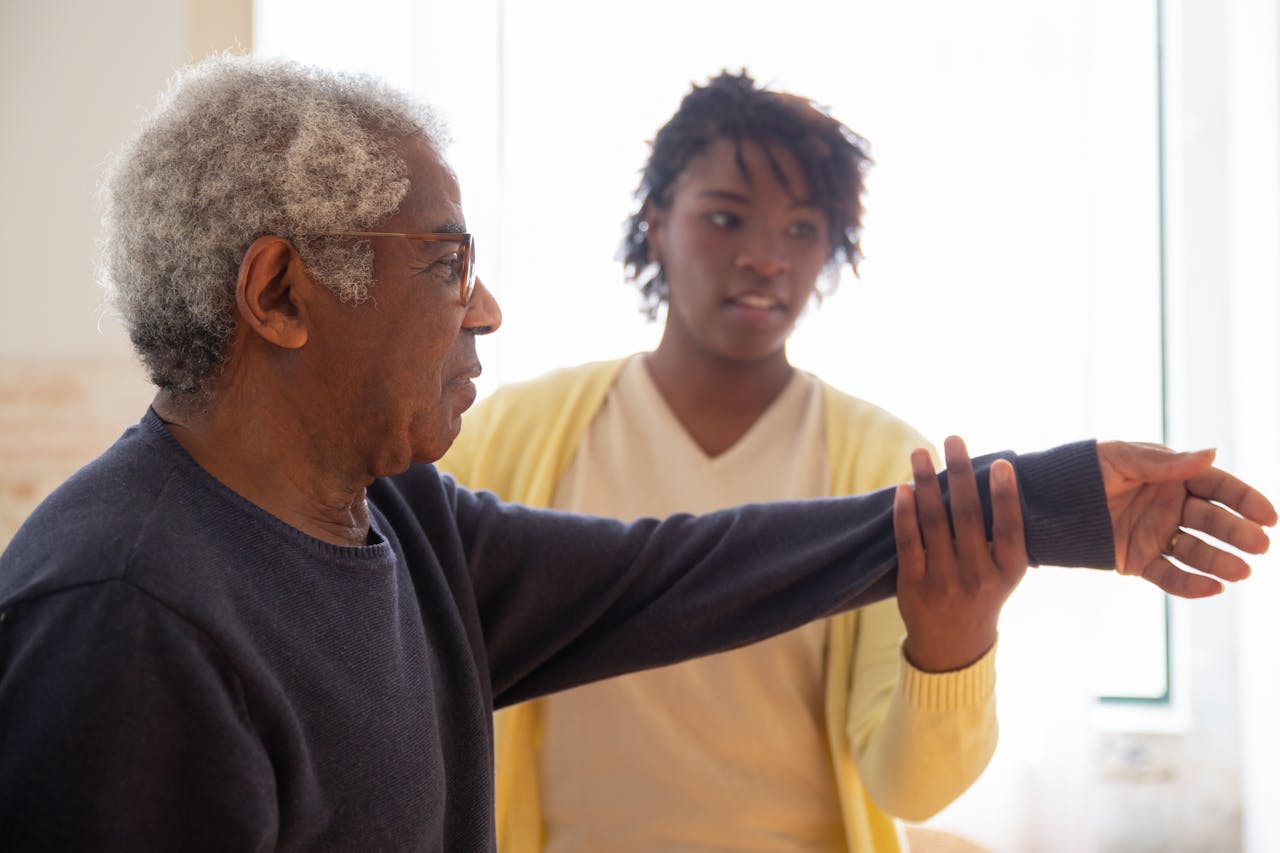
We often begin with low-impact exercises like standing weight shifts, seated leg lifts, or supported balance work near a kitchen counter. These moves may seem small, but they serve a bigger purpose. They help rebuild the strength that’s needed for daily tasks.
- Repetitions can be adjusted based on how someone feels that day
- Routines follow the shape of daily life, like walking quietly to the bathroom or rising from a favorite chair
- Visual cues in the home, like walking from the hallway to the television, sometimes replace more formal goals
By connecting activity to everyday function, progress feels more meaningful. It’s not about overshooting a goal. It’s about slowly returning to the life that felt paused after surgery. Connecting movement with routine household tasks, such as reaching a favorite cabinet or stepping over a doorway threshold, adds an extra layer of familiarity and purpose. It makes the process personal.
This approach lets individuals work within their own comfort zones, making sure that recovery does not create new frustration or discomfort. Gentle movement means listening to the body’s signals and celebrating positive moments instead of focusing on what’s still left to do.
How Home-Based Support Builds Confidence
One of the most noticeable things we see during in-home recovery is the shift in mindset. At first, the body might feel unsure, and the mind might feel nervous. But as small wins stack up, that nervousness starts to fade.
When older adults work through movement at home, they gain confidence not just in their legs or balance, but in their ability to handle daily life. That consistency, same faces, same rooms, same pacing, makes it easier to stick with the plan.
- Frustration is lower when exercises fit the comfort of the environment
- Trust builds steadily, both in the movements and in the decision to try again tomorrow
- Short-term goals lead to longer stretches of independent movement, like getting back to favorite hobbies or tasks
These changes might not happen all at once, but the more personal the approach, the more likely they are to last. That growing trust makes it easier to keep going, even when the process feels slow.
With each day, routines start to feel possible again. Getting dressed alone, making breakfast, or stepping onto the porch becomes part of the day instead of an obstacle. Those who go at their own pace seem to gain confidence step by step.
Creating a Safe Environment for Ongoing Recovery
Safety and comfort are tied together during home recovery. The layout of the home can either support progress or stand in the way. That’s why we start by taking a close look at where movement is happening.
Small changes make a big impact. Removing wobbly rugs, adding handrails, or setting up a favorite chair with better support can change how confident someone feels when they move.
- We take lifestyle habits into account when building routines, like where someone eats or reads during the day
- Exercises might begin in one room and move to another later, depending on layout and recovery progress
- Regular check-ins help decide when to increase activity or when to hold steady
These adjustments aren’t just physical. They give emotional comfort too. Knowing that every part of the plan is shaped around a real home, not a template, keeps progress steady and focused.
Family and caregivers can also help make changes, like making sure walking paths are clear or that lighting is bright and easy to use. Over time, these small improvements turn a regular space into a truly supportive one.
A Stronger Path Back to Daily Life
In the months stretching from early spring into Florida’s warmer seasons, comfort inside the home becomes especially important. Heat and humidity can easily tire the body, so staying indoors during recovery is often the safer choice. But that doesn’t mean recovery has to pause. With the right movements built into familiar routines, real progress happens right at home.
Sunshine Strength and Balance provides fully customized in-home rehabilitation and fitness programs for seniors in Sarasota, beginning with a personal assessment and assessment of the home environment.
Our trainers help clients returning from surgery or injury with step-by-step guidance, always adapting activities for safety, confidence, and individual routines. This tailored approach reduces fall risk and supports clients in regaining independence at their own pace.
We’ve seen how strength returns when daily steps feel supported and clear. Helping seniors in Sarasota rebuild mobility after surgery reminds us that small, steady efforts matter just as much as the big ones. Every time someone reaches for the cupboard with more ease or walks to the front door without sitting down, it adds up.
Working slowly, honestly, and with intention, we help make each day a little more solid under their feet. That’s how recovery begins to look like living again.
Regaining strength and confidence after surgery is possible with the right support, especially when it feels safe and familiar at home. For those in Sarasota, our team at Sunshine Strength and Balance focuses on steady, personalized progress that prioritizes both physical and emotional well-being.
Discover how our senior rehabilitation services can make recovery more comfortable in your own space. Call us today to schedule a conversation and take the next step in your healing journey.